Nephrology
The Pediatric Nephrology Fellowship program at the Children’s Hospital of Michigan provides comprehensive training in the specialty, preparing the fellow for a productive and independent career in and Hypertension. The minimum duration of fellowship is three years. The Children’s Hospital of Michigan serves a diverse urban and suburban population, which provides fellows with excellent exposure to renal pathology across the Pediatric Nephrology continuum, from birth through transition to adulthood as well as from chronic kidney disease to dialysis and transplantation.
Clinical Training: The Nephrology service has a designated floor for inpatients with a team of residents and medical students. The Nephrology clinic and dialysis unit are located in a specialty center across the street from the main hospital. The hemodialysis unit has 13 stations where children are dialyzed three times a week. The peritoneal dialysis program follows children on home dialysis. Clinical activities include daily inpatient/consult rounds on 10 to 20 patients, approximately 4000 outpatient clinic visits per year, an average of 30 dialysis patients, and approximately 10 renal transplants per year. Clinical training includes direct participation of the fellow in patient care. The fellow is exposed to hands-on experience with procedures including renal biopsy, hemodialysis (acute and chronic), peritoneal dialysis (acute and chronic), hemodiafiltration, and pre/intra/post-operative medical management of renal transplants. Training in continuous renal replacement therapy (CRRT) is provided in collaboration with the intensive care unit team. A fellow sees continuity care patients in the General Nephrology Clinic and also attends and follows patients in multidisciplinary clinics including chronic kidney disease, dialysis, transplant and vasculitis clinics. Nephrology fellows also rotate through Urology and Radiology in their second year of training.
Research: A period of supervised research of high quality is essential for successful completion of the fellowship. Fellows are encouraged to present their research data at national meetings. Upon completion of the program, the trainee is qualified for sub-board examination. Graduates of this program practice in academic centers as well as private practice and are prepared to take leadership roles in clinical and research positions.
Education: A carefully planned educational activity schedule enhances fellow’s training. This includes clinical case presentations and lectures given by faculty and fellows, weekly uro-radiology meetings where patients’ imaging studies are discussed, monthly research meetings where progress with research projects is monitored, a monthly journal club presented by fellows, weekly board review with a member of the faculty, and a monthly pathology conference where our own patient’s renal biopsy findings are discussed with a renal pathologist.
International Clinical Rotation: Nephrology fellows have the unique opportunity to do a 2 week international rotation to enhance their experience in Pediatric Nephrology. Previous fellows have travelled to important Pediatric Nephrology centers in the United Kingdom, Australia, Canada, and Singapore for this elective and have had wonderful experiences.
Program Director
Wael Abukwaik, MD
Larry E. Fleischmann, MD Endowment
The Larry E. Fleischmann Endowment allows our 3rd year Pediatric Nephrology Fellows to participate in an International exchange program, which provides them the opportunity to enjoy a 2-week rotation in a well-established international Pediatric Nephrology program outside the United States. In exchange, this program allows a senior trainee from an overseas pediatric nephrology center to join us for a 2-4 week rotation in our program at Children's Hospital of Michigan. The objective of this program is to educate the trainees in different perspectives of pediatric renal medicine as it is practiced in different countries. Upon returning from the international rotation trainees will give a presentation, preferably Grand Rounds at CHM, discussing what knowledge and experience they have gained during their rotation overseas.
Contact Us
Madison Coates
Pediatric Fellowship Coordinator
Children's Hospital of Michigan
Pediatric Education
3901 Beaubien Blvd.
Detroit, MI 48201
Phone: (313) 745-9099
Fax: (313) 993-7118
[email protected]
Pediatric Nephrology fellows at the Children’s Hospital of Michigan are required to complete 10 months of clinical service as well 20 months of research with 4 weeks of vacation per year.
Although the first year of training primarily focuses on clinical training, the Fellow is expected to begin their research in the first year. They have one month dedicated to explore the research prospects, available facilities, and the available mentorship. The fellow attends the mandatory monthly research meetings in the Division to develop an overview on the current research activities in the division and identify areas of interest.
Starting from the first year, fellows’ attend the mandatory weekly core lectures sponsored by the children’s Research Center of Michigan (CRCM). Fellows are required to attend these lectures and, more importantly, come prepared to ask questions about the topic. The lectures during this last academic year were devoted to hypothesis development, study design, data management, statistical analysis, IRB procedures, issues related to research with pharmaceutical companies, and bioethics.
Below is the curriculum for pediatric nephrology fellows:
1st YEAR
7 months Inpatient Rotation
3 months Outpatient/Research rotation
1 month Radiology/Urology
2nd YEAR
9 months Outpatient/Research rotation
2 months Inpatient rotation
3rd YEAR
10 months Outpatient/Research rotation
1 month Inpatient Service/Junior Attending
Gaurav Kapur, MD
Pediatric Nephrologist
Division Chief
Director, Pediatric Dialysis Program
Professor of Pediatrics, Central Michigan University
Board certification: Pediatrics, Pediatric Nephrology
Languages spoken: English, Hindi
Medical School: Maulana Azad Medical College
Residency: Children’s Hospital of Michigan
Fellowship: Children’s Hospital of Michigan
Awards/Honors: Detroit Top Doc
Areas of research/interest: dialysis, hemolytic uremic syndrome, hypertension
Publications: My Bibliography - NCBI (nih.gov)
Rudolph P. Valentini, MD
Pediatric Nephrologist
Group Chief Medical Officer, Detroit Medical Center
Chief Medical Officer, Children’s Hospital of Michigan
Professor of Pediatrics, Central Michigan University
Board certification: Pediatrics, Pediatric Nephrology
Languages spoken: English
Medical School: Wayne State University
Residency: University of Cincinnati
Fellowship: University of Michigan
Awards/Honors: Detroit Top Doc
Areas of research/interest: lupus and renal vasculitis, nephrotic syndrome, kidney stones, dialysis, hemodialysis vascular access
Selected publications:
- Acute kidney injury in pediatric acute SARS-CoV-2 infection and multisystem inflammatory syndrome in children (MIS-C): is there a difference? Grewal MK, Gregory MJ, Jain A, Mohammad D, Cashen K, Ang JY, Thomas RL, Valentini RP. Front Pediatr 2021;9:692256. PMID: 34434905
- KDOKI Clinical Practice Guideline for Vascular Access: 2019 Update. Lok CE, Huber TS, Lee T, Shenoy S, Yevzlin AS, Abreo K, Allon M, Asif A, Astor BC, Glickman MH, Graham J, Moist LM, Rajan DK, Roberts C, Vachharajani TJ, Valentini RP; National Kidney Foundation. Am J Kidney Dis 2020;75(4 Suppl 2): S1-S164. PMID: 32778223
- Reducing central venous catheters in chronic hemodialysis – a commitment to arteriovenous fistula creation in children. Baracco R, Mattoo T, Jain A, Kapur G, Valentini RP. Pediatr Nephrol 2014;29(10):2013-20. PMID: 24474576
- Nephrolithiasis in children. Valentini RP, Lakshmanan Y. Adv Chronic Kidney Dis 2011;18(5):370-5. PMID 21896379
- Membranous glomerulonephritis: treatment response and outcome in children. Valentini RP, Mattoo TK, Kapur G, Imam A. Pediatr Nephrol 2009;24(2):301-8. PMID: 18846392
- Membranous nephropathy in children: clinical presentation and therapeutic approach. Menon S, Valentini RP. Pediatr Nephrol 2010;25(8):1419 – 28. PMID: 19908069
Melissa Gregory, MD
Pediatric Nephrologist
Associate Professor of Pediatrics, Central Michigan University
Board certification: Pediatrics, Pediatric Nephrology
Languages spoken: English
Medical School: University of Michigan Medical School
Residency: C.S. Mott Children’s Hospital/University of Michigan
Fellowship: C.S. Mott
Children’s Hospital/University of Michigan/National Institutes of Health
Areas of research/interest: chronic kidney disease, tuberous sclerosis, nutrition in kidney disease, cystic kidney disease
Awards/honors: 2020 Wayne State
University School of Medicine excellence in teaching award, Pediatric scientist training award, Detroit Top Doc
Amrish Jain, MD, FAAP
Pediatric Nephrologist
Medical Director, Pediatric Kidney Transplant Program
Associate Professor of Pediatrics, Central Michigan University
Board certification: Pediatrics, Pediatric Nephrology
Languages spoken: English, Hindi
Medical School: Mahatma Gandhi Memorial Medical College/Maulana Azad Medical College
Residency: Children’s Hospital of Michigan
Fellowship:
Children’s Hospital of Michigan
Areas of research/interest: kidney transplant, nephrotic syndrome, hypertension, hematuria
Awards/Honors:
- Associate Professor Teacher of the Year Award 2021
- Top Doc (2016 – 2021)
- Wayne State University School of Medicine Excellence in Teaching Award 2017
- Physician difference maker award 2015
Selected publications:
- Jain A, Baracco, Kapur. Pheochromocytoma and paraganglioma – an update on diagnosis, evaluation and management. Pediatr Nephrol 2020;35(4):581-94. PMID 30603807
- Taormina SP, Galloway MP, Jain A. Barriers to live donor kidney transplants in the pediatric population: A single-center experience. Pediatr Transplant 2017;21(2). PMID 27885788
- Jain A. Body fluid composition. Pediatr Rev 2015;36(4):141-50. PMID 25834218
- Romero M, Kapur G, Baracco R, Valentini RP, Mattoo TK, Jain A. Treatment of hypertension in children with catecholamine-secreting tumors: a systematic approach. J Clin Hypertens (Greenwich) 2015;17(9):720-5. PMID 26010736
Rossana Baracco, MD
Pediatric Nephrologist
Director, Pediatric Nephrology Fellowship Program
Associate Professor of Pediatrics, Central Michigan University
Board Certification (s): Pediatrics, Pediatric Nephrology
Languages spoken: English, Spanish
Medical School: Universidad Peruana Cayetano Heredia
Residency: Children’s Hospital of Michigan
Fellowship: Children’s
Hospital of Michigan
Areas of research/Interests: vascular access, dialysis in children with special medical needs, anemia in chronic kidney disease, hypertension
Awards/Honors: Professionalism in Pediatrics Award, 2018 Wayne State
University School of Medicine excellence in teaching, Detroit Top Doc
Selected publications:
Wael Abukwaik, MD
Pediatric Nephrologist
Languages spoken: English, Arabic
Medical School: Jordan University of Science and Technology School of Medicine
Residency: Children’s Hospital of Michigan
Fellowship: Children’s Hospital of Michigan
Areas of research/interest:
nephrotic syndrome, chronic kidney disease, dialysis
Selected publications:
- Abukwaik W, Poulik JM, Mattoo TK. Calcineurin inhibitors and renal biopsy in children with idiopathic nephrotic syndrome. Clin Nephrol 2021;96(4):226-32. PMID 34142947
- Abukwaik W, Baracco R, Jain A, Gregory M, Valentini RP, Kapur G. Clinical profile of children incidentally found to have advanced kidney failure. Pediatr Nephrol 2022;37(5):1097-1103. PMID 34626243
Below are the pediatric nephrology fellows at the Children’s Hospital of Michigan:
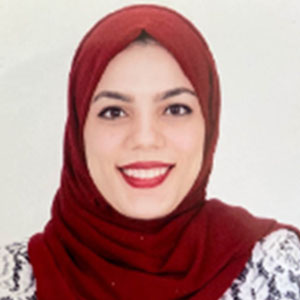
Hadeel Haddad, MD - First Year Fellow |
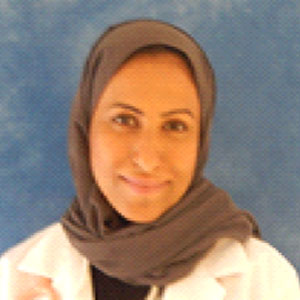
Fatema Hammad, MD - Second Year Fellow |
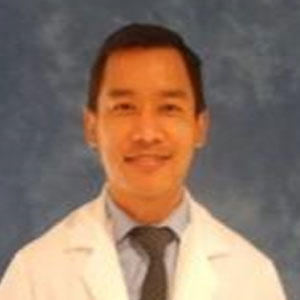
Binay Gurung, MD - Third Year Fellow |
Application Instructions
The fellowship program participates in the ERAS universal application process. Please visit their Web site at www.aamc.org/eras for an application.
The following information should be uploaded into this program:
- Completed on-line application
- Current photograph (released only after interview is offered)
- Personal statement
- Three letters of recommendation
- Medical school transcript
- Parts 1, 2 and 3 of the USMLE
- If a graduate of a medical school outside the United States, Canada or Puerto Rico, a valid ECFMG certificate is required
- If not a citizen of the United States, copy of permanent resident card or copy of current, appropriate visa.
- A copy of your residency in-training exam scores
Application Timeline and Selection Procedure:
We participate in the National Resident Matching Program (NRMP) for the selection of first-year fellows. Applicants apply directly to the department and register with the NRMP.
November 15
MyERAS opens to applicants
December 1
Program begins to download applications
December 31
Deadline for application completion
January to May
Interview select candidates
June
NRMP Match
For questions or more information contact:
Daaimah Shipp
Program Coordinator, Pediatric Nephrology
Children's Hospital of Michigan
Division of Nephrology
3901 Beaubien
Detroit, MI 48201
(313) 993-2762
[email protected]